


Bar Mitzvah in Israel: The Complete Guide
November 17th 2026
Short answer: A Bar Mitzvah in Israel usually means a weekday morning ceremony on a Torah-reading day (Monday, Thursday or Rosh Chodesh) at the Western Wall, the egalitarian section at Robinson’s Arch, Masada, or a historic synagogue in Jerusalem or Tzfat, followed by a celebration meal and a family tour. Pick your date first, reserve the venue as soon as bookings open, and build the rest of the trip around that one morning.
Families who celebrate in Israel tend to say the same thing afterward: the ceremony was moving, but what stayed with their child was standing in the places the Torah portion talks about. This guide walks you through the decisions in the order you will actually make them, from choosing a venue and a date to planning the party and the rest of the trip.
Choosing a venue
Your venue shapes everything else: the style of service, who can participate, what time of day you start, and how many guests can comfortably join. Here are the most popular options.
The Western Wall (Kotel), men’s section
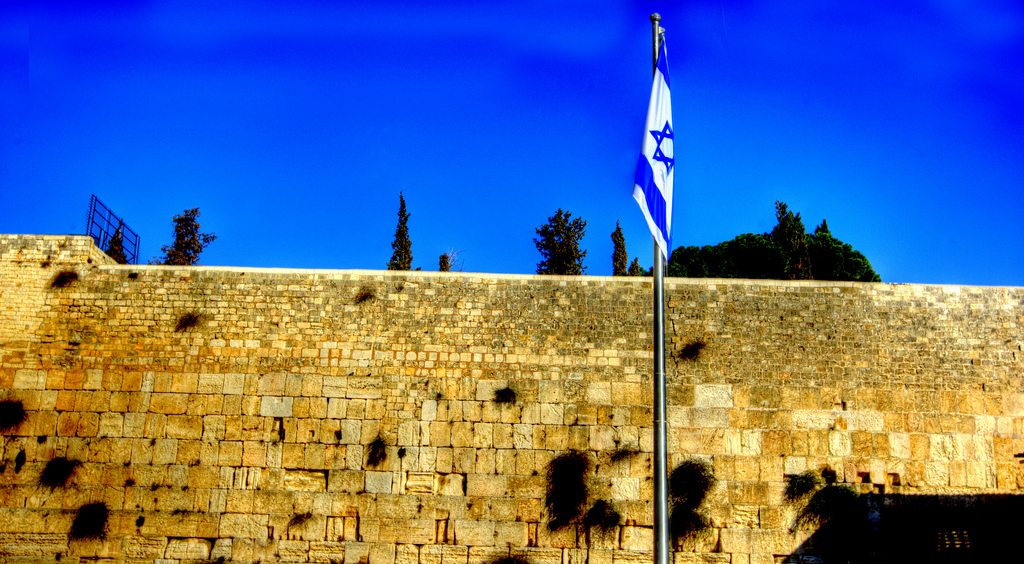
The Kotel is the classic choice, and nothing quite compares to your son reading from the Torah a few feet from the ancient stones. The Western Wall Heritage Foundation runs ceremonies here and requires an advance reservation. According to the Foundation, bookings open six months ahead and close one week before the date, and ceremonies are held on Mondays, Thursdays and Rosh Chodesh, roughly between 8:00 a.m. and 3:00 p.m. There is no fee for the ceremony itself, and the Foundation arranges a Torah scroll and prayer books through your guide; outside Torah scrolls are not brought in.
The prayer area is Orthodox and separated by a mechitza. Mothers, grandmothers and sisters watch and celebrate from the women’s side, often standing on chairs at the partition to see and throw soft candies at the end. Expect a public setting: other families will be celebrating nearby, sometimes with drums and singing. If it rains, ceremonies move indoors to Wilson’s Arch, where women watch from a raised gallery behind glass. Photography and video are allowed on weekdays.
Robinson’s Arch and the Ezrat Yisrael egalitarian area
Along the southern stretch of the Western Wall, inside the archaeological park near the Dung Gate, is Ezrat Yisrael, the egalitarian prayer area at Robinson’s Arch. Families sit together, girls and boys can read from the Torah, and Reform, Conservative and unaffiliated families often feel most at home here. The Masorti Movement handles reservations through its prayer reservation form and lists 90-minute morning slots on Mondays, Thursdays, Rosh Chodesh and Hanukkah, with Torah scrolls and prayer books available at no cost. Other days and times need a special request. The space is quieter and more intimate than the main plaza, with huge fallen Herodian stones lying where they landed in 70 CE.
Masada
A ceremony on Masada is unforgettable: the ruins of one of the world’s oldest synagogues, desert views to the Dead Sea, and a story about Jewish courage that resonates with teenagers. Ceremonies are held early in the morning, before the crowds and the heat, and must be coordinated in advance with the national park. Most families ride the cable car up, though some energetic groups climb the Snake Path in the dark and hold the service after sunrise. Plan a light breakfast, lots of water, and a float in the Dead Sea afterward. Read more in our post on why Masada belongs on a Bar or Bat Mitzvah trip.
Tzfat’s historic synagogues
In the mountain city of Tzfat (Safed), centuries-old synagogues such as the Abuhav and the Ari host Bar Mitzvah services in a setting steeped in Kabbalah, blue-painted walls and narrow stone lanes. Tzfat works well for families who want a traditional service with fewer crowds and a northern leg to their trip. See our guide to celebrating a Bar Mitzvah in Tzfat.
Other meaningful settings
- Jerusalem synagogues: the rebuilt Hurva Synagogue in the Jewish Quarter, the Four Sephardic Synagogues, and neighborhood shuls that welcome visiting families on weekdays or for a Shabbat aliyah.
- Ammunition Hill: the memorial site to the 1967 battle for Jerusalem, a fitting choice for families with a connection to the IDF or to Israel’s modern history. Ask your planner to check current availability.
- Tower of David Museum: its historic courtyards have hosted family celebrations, and some families end the day at the Night Spectacular light show. Ask about current options.
- Rooftops and lookouts: terraces facing the Old City or the Haas Promenade, for families who want a private, flexible ceremony.
Choosing a date
Because the Torah is read publicly only on certain days, your calendar matters more than it would at home.
- Mondays and Thursdays: the standard days at the Kotel and most venues.
- Rosh Chodesh: the new Jewish month adds a festive feel and extra prayers.
- Holiday Torah readings: Hanukkah, Chol HaMoed (the intermediate days of Pesach and Sukkot) and fast days all include a Torah reading, though not every venue offers ceremonies on all of them.
- Shabbat: there are no photographed ceremonies at the Kotel or Masada on Shabbat, but a Saturday-morning aliyah at a Jerusalem synagogue or a hotel minyan is a lovely way to mark the day. Many families do both: a weekday ceremony and an aliyah on Shabbat.
Think about crowds and weather too. Chol HaMoed Pesach and Sukkot bring huge crowds to the Kotel. Summer is hot, especially at Masada, so ceremonies there start very early. Winter is quieter and green, with short days and the occasional rain (our guide to visiting Israel in winter covers what to expect). Hanukkah falls December 4–12 in 2026, and many families love lighting candles in Jerusalem after the big day.
How far ahead to book
For most families, nine to twelve months out is the sweet spot to start, and earlier if you are traveling in summer or over a holiday. A practical timeline:
- 9–12 months before: choose your travel dates, venue and style of service; start planning the tour and hotels.
- 6 months before: reserve the Kotel slot as soon as the window opens, or submit your Robinson’s Arch request. Book flights.
- 3–4 months before: confirm the rabbi, photographer and celebration venue; send invitations to family in Israel.
- 1 month before: finalize the guest count, transport and seating, and share the Torah portion with the officiant.
What’s involved on the day
A typical Israel Bar Mitzvah morning includes a few moving parts. A good planner coordinates all of them so you can focus on your child.
- Rabbi or officiant: some families bring their home rabbi; others work with an Israeli rabbi who matches their style, from Orthodox to egalitarian.
- Torah and siddurim: provided at the Kotel and Robinson’s Arch; arranged by your planner elsewhere.
- Tallit and tefillin: many families buy them in Jerusalem beforehand, which becomes part of the experience.
- Photographer: an Israeli photographer who knows the sites (and the light at 9 a.m. on the Kotel plaza) is worth it.
- Music: a shofar blower, drummers or a small band to escort the family down to the Wall.
- Celebration meal: a kosher brunch or lunch in a Jerusalem restaurant, hotel hall or rooftop. Browse our Jerusalem restaurant recommendations for ideas.
Bat Mitzvah options
Girls have more choices in Israel than many parents expect. At Ezrat Yisrael, a Bat Mitzvah girl can read from the Torah with her whole family around her. Families who prefer a traditional setting often hold a celebration in the Kotel’s women’s section with a dvar Torah and blessings, or a ceremony at a rooftop overlooking the Old City, Masada at sunrise, or a private garden in the Jerusalem hills. Some girls choose a meaningful project instead of, or in addition to, a ceremony: baking challah with a Jerusalem family, learning with a female scholar, or leading a service at the family’s Shabbat table.
Building the family trip around it
Most families plan 10 to 14 days, with the ceremony early enough that the guest of honor can relax and enjoy the rest. A popular structure:
- Arrive and adjust: two days in Tel Aviv or by the sea to beat jet lag.
- Jerusalem before the ceremony: visit places that connect to the Torah portion. Our list of places in Jerusalem to take your kid before their Bar or Bat Mitzvah is a good start.
- Ceremony day: morning service, celebration lunch, then a quiet afternoon.
- Adventure days: the Dead Sea, a jeep tour in the Golan, kayaking the Jordan River or a desert night. See our teen-friendly Bar and Bat Mitzvah trip ideas.
Our 14-day Bar and Bat Mitzvah Israel tour shows how this comes together. For help picking hotels in each area, see our overview of Israel’s hotel regions.
Adding a mitzvah project
A hands-on mitzvah project gives the trip lasting meaning. Ideas that work well for visiting families include packing produce with a food-rescue organization such as Leket Israel, helping at a medical-equipment lending center like Yad Sarah, planting trees, or bringing donated sports gear or school supplies for a partner community. Ask about volunteer requirements and minimum ages in advance, and let your child choose the cause.
Frequently asked questions
How much does a Bar Mitzvah at the Western Wall cost?
The Western Wall Heritage Foundation does not charge for the ceremony itself. Your costs come from everything around it: rabbi, guide, photographer, musicians, transport and the celebration meal. Those vary widely with group size and style.
Can we hold the ceremony on Shabbat?
Not at the Kotel or Masada in the usual way, since ceremonies are held on weekday Torah-reading days and photography is not permitted on Shabbat. Many families add a Shabbat aliyah at a Jerusalem synagogue or hotel minyan.
Can mothers and sisters participate?
At the Kotel, women celebrate from the women’s section beside the mechitza. At Ezrat Yisrael by Robinson’s Arch, the whole family stands together and women can take an active role.
Do we need a guide for the ceremony?
It is not required, but a licensed guide makes the day far smoother, handling logistics on the morning itself and turning the visit into a lesson in history. Meet some of our Israel tour guides.
Plan your family’s Bar or Bat Mitzvah in Israel
From the Kotel and Robinson’s Arch to Masada and Tzfat, we take care of the bookings, rabbi, photographer and celebration so you can enjoy the moment. Explore our custom private Bar and Bat Mitzvah tours, or create your own custom tour and tell us your dates. We will help you build a trip your family will talk about for years.